Blue Monday? Now what if we turn that around?
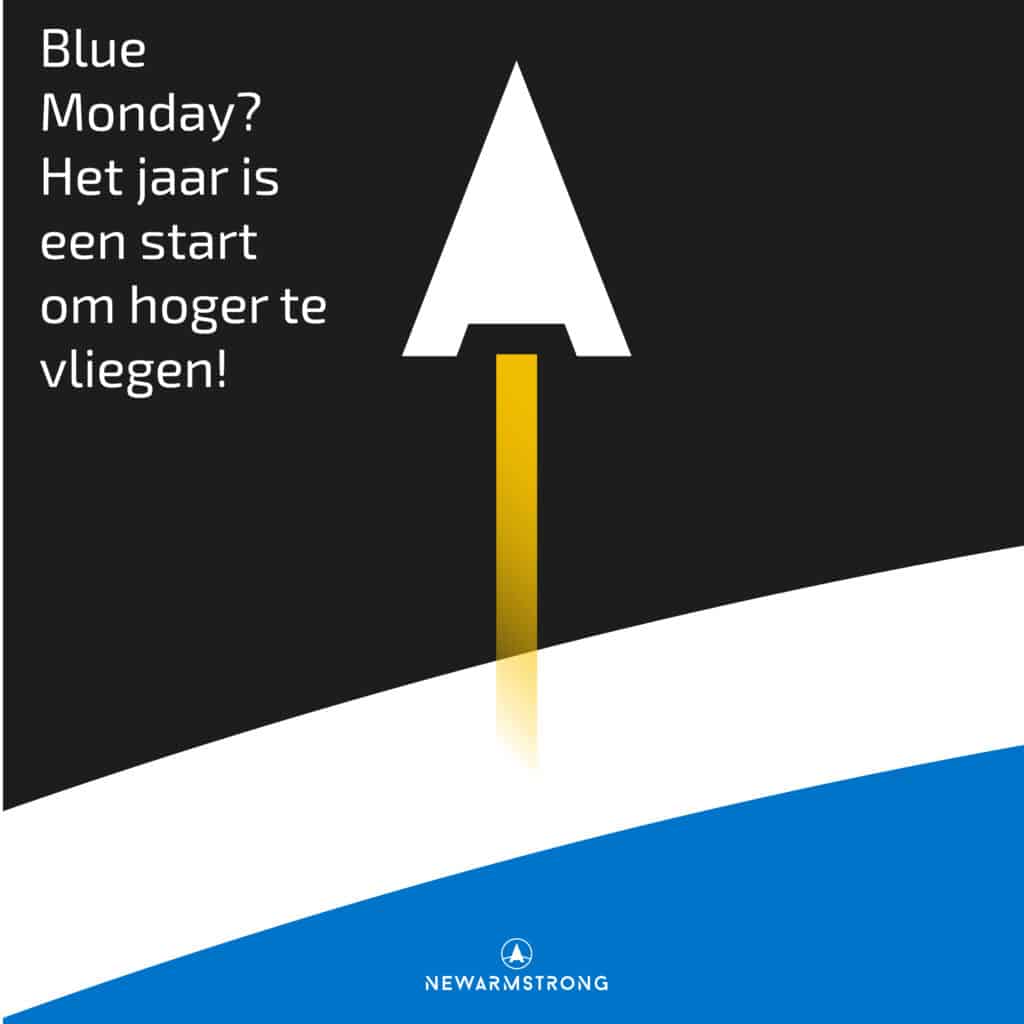
Blue Monday? The year is a start to fly higher!
What is Blue Monday?
Blue Monday, often labeled as the most depressing day of the year, falls on the third Monday in January. The holidays are over, good intentions begin to falter and the dark days seem endless. It’s also often a fun catch-up on social media and marketing.
But what if we turn this day around? Instead of focusing on what is not working, we can see Blue Monday as the time to set course for a successful year. How? By working with annual plans as a powerful management tool.
1. Annual plans: more than a calendar
An annual plan is not a static document, but a strategic compass. It provides direction, priorities and helps teams stay focused. Seth Godin emphasizes that “focus and consistency” are crucial to making an impact. A good annual plan translates vision into concrete steps, so you don’t get lost in daily frenzy. And a good annual plan ensures that you take a timely look at whether you will achieve your ambitions at the beginning of the year, whether you are on the right track.
2. From vision to action
Peter Drucker once said, “Plans are only good intentions unless they immediately degenerate into hard work.” Annual plans turn intentions into action. They make abstract goals tangible and give managers a tool to measure and adjust progress.
3. Flexibility as a success factor
A common mistake is to think of annual plans as cast in concrete. In reality, they should be dynamic. Seth Godin advocates “iteration and adaptation” – especially in a rapidly changing marketplace. Evaluating and adjusting regularly keeps your plan relevant and effective.
4. Annual plans as motivators
Blue Monday is all about losing motivation. An annual plan can turn that around. It provides teams with clarity and a sense of direction. When people know what they are working toward, engagement increases. Drucker emphasizes that “management is all about making people productive” – and a clear plan is indispensable for that.
5. Data and insight: steer by facts
A good annual plan is not only ambitious but also backed by data. Use KPIs and dashboards to monitor progress. This aligns with modern management principles: make decisions based on facts, not feelings. This allows you to make timely adjustments and celebrate successes.
6. Annual plans and culture
In conclusion, an annual plan is not just a document, but a cultural statement. It shows that, as an organization, you believe in direction, transparency and growth. Seth Godin calls this “creating a story that people want to be a part of.” A good plan inspires and connects.
Conclusion: Why adjusting contributes to success
Annual plans provide direction, but the real success lies in the ability to adjust along the way. As Drucker states, “The best way to predict the future is to create it.” By staying flexible and continuously learning, you won’t turn Blue Monday into a gloomy day, but a starting point to fly higher.