EuroShop 2026: Retail gets smarter, more circular and people-oriented
Retail moves. Hard.
And nowhere can you see this better than at EuroShop 2026: the place where brands, designers, suppliers and innovators come together to show what the store of tomorrow looks like. This year was all about circularity, AI-driven efficiency, new shopping experiences and material innovation. Exactly the themes that retailers are winning business with today.
For us as a design and engineering firm: strategic, commercial and focused on results, EuroShop is a benchmark. The fair shows not only what can be done, but especially what works. We went on a trade show tour with Tim Gielen, Chief Inspiration Officer of WaveOfEngagement. Here are the conclusions of what we saw.
1. Circularity as a commercial strategy
What stands out: circularity is no longer a byproduct, but a design task in its own right.
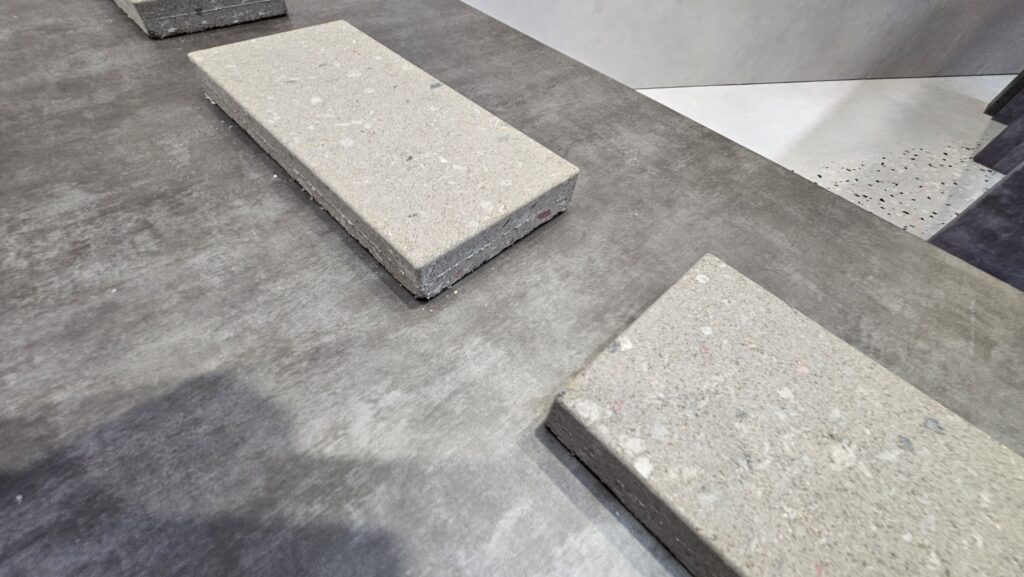
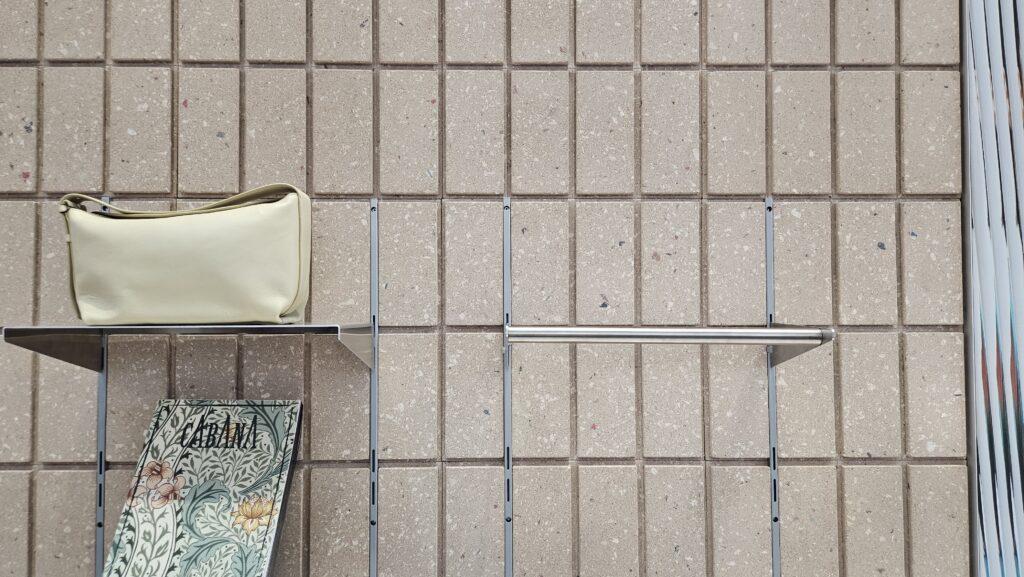
At Kendu, residual material becomes another product. Pees cloths are put to circular use or even deformed into new expressive forms. Recycled PET bottles become panels and planks. And materials that look like wood or stone turn out to be simply pressed paper or cardboard – but surprisingly strong.
Retailers do want to go greener, but only if it works within their cost price, operational processes and formula. EuroShop showed that that point is now well and truly reached.
The example below is wall covering made from the discarded tendon cloths. New material is being developed within one production chain to reverse the waste stream.
Key takeaways for designers and retailers:
– Choose materials that are both scalable and circular.
– Deploy circularity as part of the brand experience.
– Think reuse and modular construction from the outset.
2. New digital experience: from flat screens to 3D impact
Samsung and Outform presented solutions that turn digital screens into a spatial experience. Flat screens become 3D, with no real 3D hardware involved.
And E paper is increasingly seen as an alternative to traditional tendon cloth or LED screens: more environmentally friendly, energy efficient and easier to maintain. 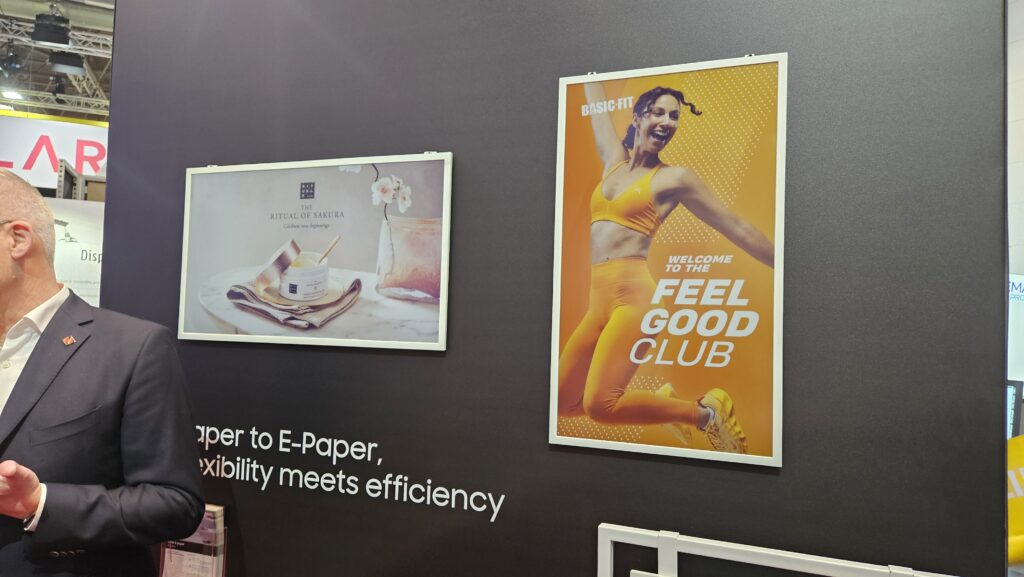
The collaboration between Rituals and Samsung showed how intelligent displays help reduce waste-by using small glass chalices instead of paper fragrance strips to test the scent.
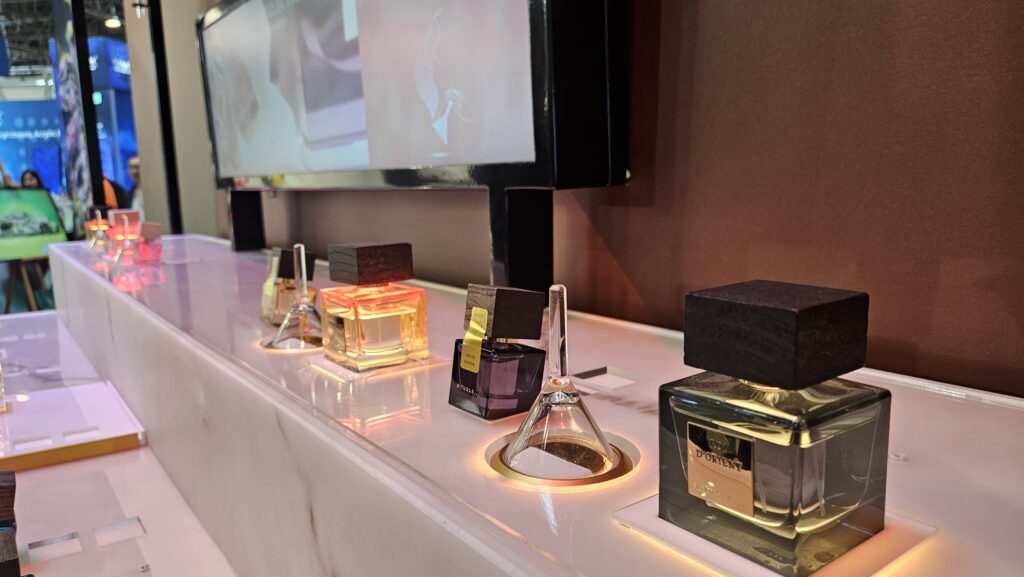
This touches on the principle of “design ≠ object, but experience”:
It’s not the object you design, but the experience you offer the user.
Digital experience is not a gadget, but a strategic tool to more strongly connect brand and space.
3. Automation: from inventory to checkout
AI is everywhere at EuroShop, but especially where it has process impact.
– AI for inventory management (including Instacart).
– AI for checkout(Pan Oston) – faster and more error-free.
– Automatic scanning and linkage to actions even without AI.
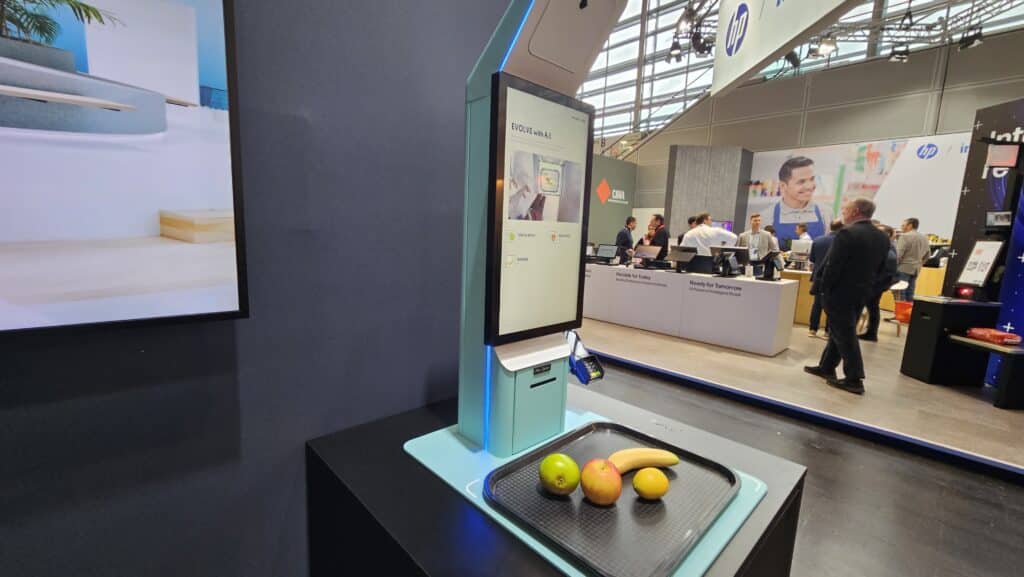
The promise is simple: fewer operations, fewer errors, more sales.
Retailers are not looking for tech for tech’s sake. They’re looking for peace of mind in operations. AI solves that.
4. Security and reliability become self-evident
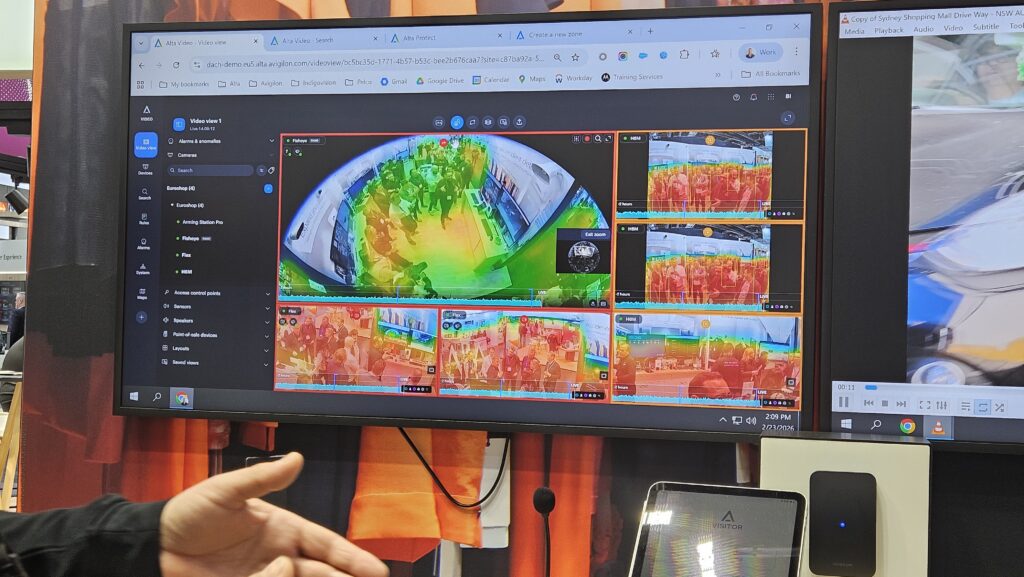
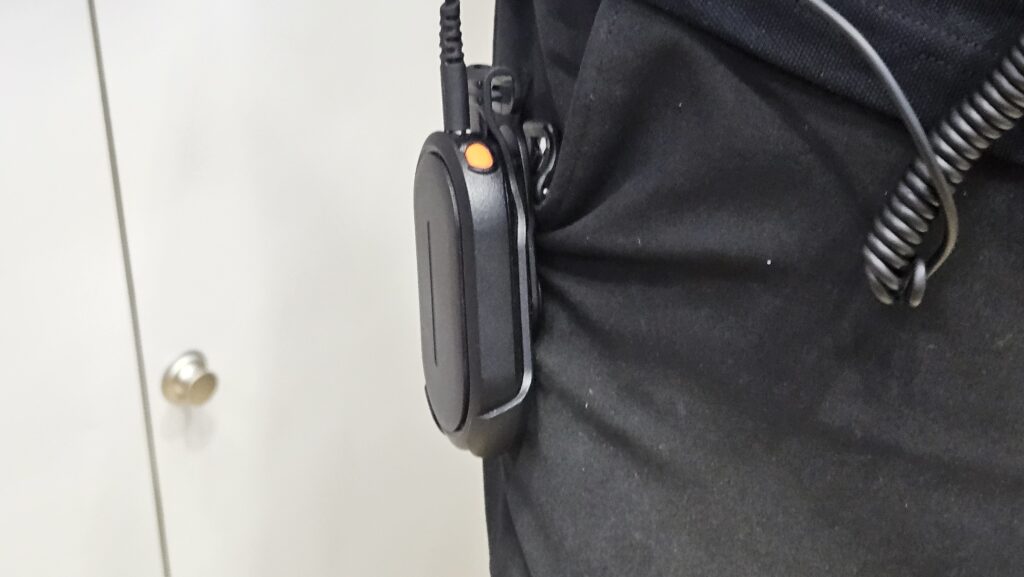
Motorola showed new solutions for store security, recognition and incident prevention. If the technology works together with the staff present, it is much easier to intervene quickly and at the right place and to capture the right evidence of the calamity. This is done with a panic button that combines bodycam, directional cameras in the store and positioning and alerts all nearby staff.
This greatly increases the safety of store personnel. And that in turn is an important argument for good personnel to choose one employer. With that, there is a strong relationship between staff safety and service quality.
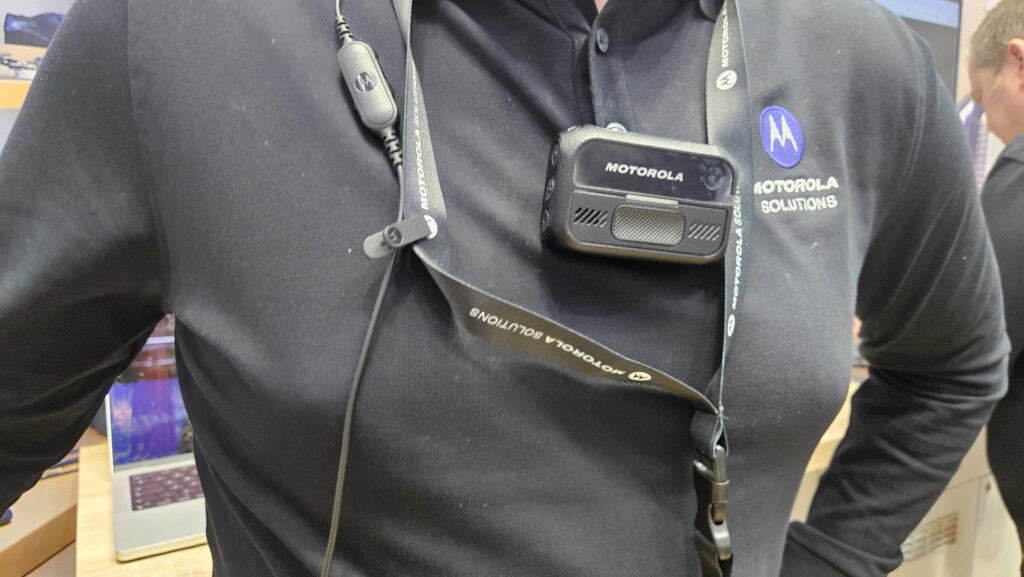
At a time when staff shortages are structural, security is increasingly becoming a qualitative part of the shopping experience.
5. Material innovation: thinking more broadly with less footprint
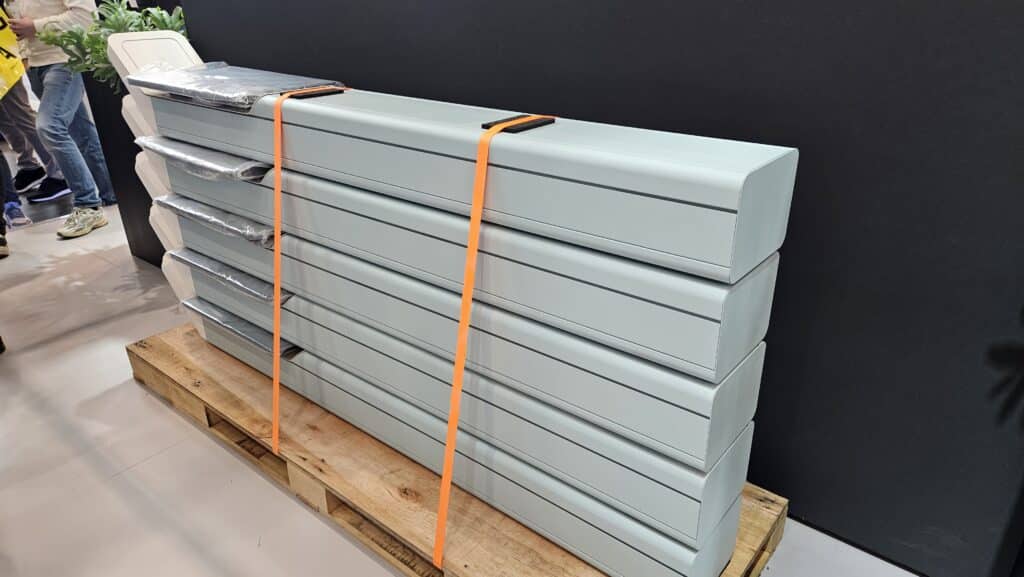
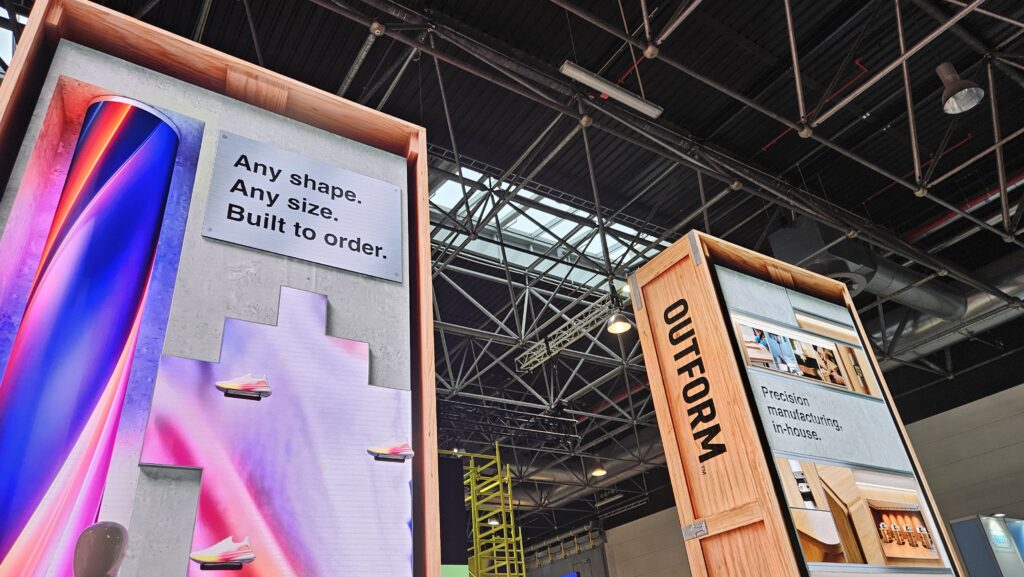
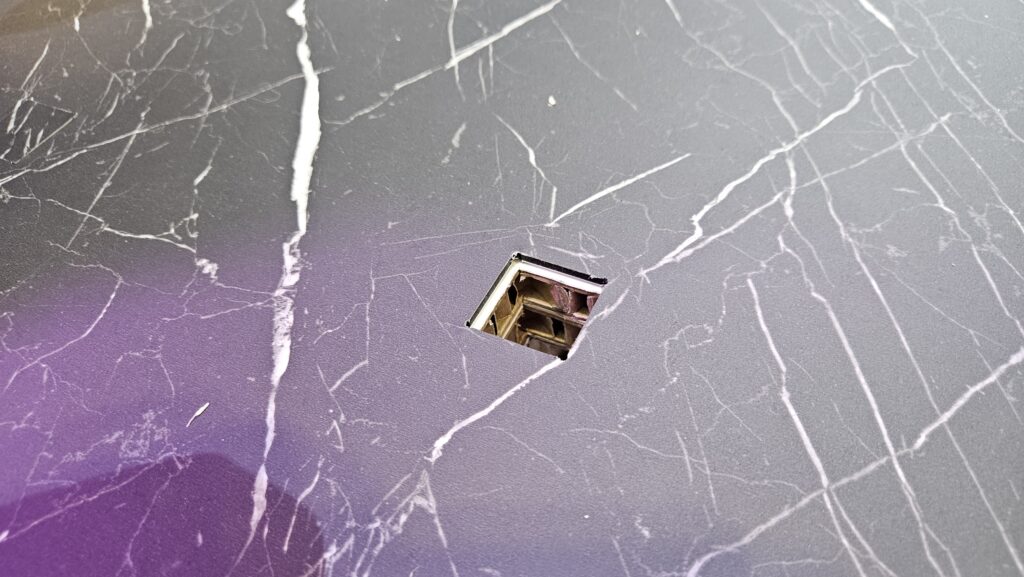
From extrusion profiles for cash registers to circular furniture; from mirrors to graphic panels: EuroShop was full of examples combining technology, aesthetics and sustainability.
Retail interiors are no longer styling; they are a strategic building block in brand identity and sales.
6. What does this mean for retailers?
EuroShop 2026 shows one clear line:
Retail is a game of choices and the winning choices are sustainable, digital and purposeful.
For retailers and formula managers, these are the conclusions:
– Customers expect more experience, but less noise.
– Sustainability must be tangible, not just visible on paper.
– Efficiency is the new aesthetic: not a second wasted, not a meter too many.
– Digital touchpoints should add value, not distract.
7. What course do you choose now?
From our expertise as a design and strategy firm, we see three routes that really help retailers:
1. Design that is data driven
From layout to material selection, design should drive budget, CO₂ impact and operational efficiency.
2. Experience as a business tool
Don’t shout louder, but direct smarter.
Experience should make people choose … and buy.
3. Circularity as commercial opportunity
No green sauce.
Do: modular design, longer life, lower maintenance costs.
Retail is changing faster than ever. But the basics remain: good design wins.
EuroShop 2026 confirmed what we see every day in projects:
- Retail is all about design that works.
- Design that gives space.
- Design that makes a brand palpable.
- Whether it is a new formula, an innovation concept, a material switch or a complete transformation, the brands that win are those that dare to choose.
We help with that. Strong in building your success.